How often should an exposure layer be refreshed between renewals?
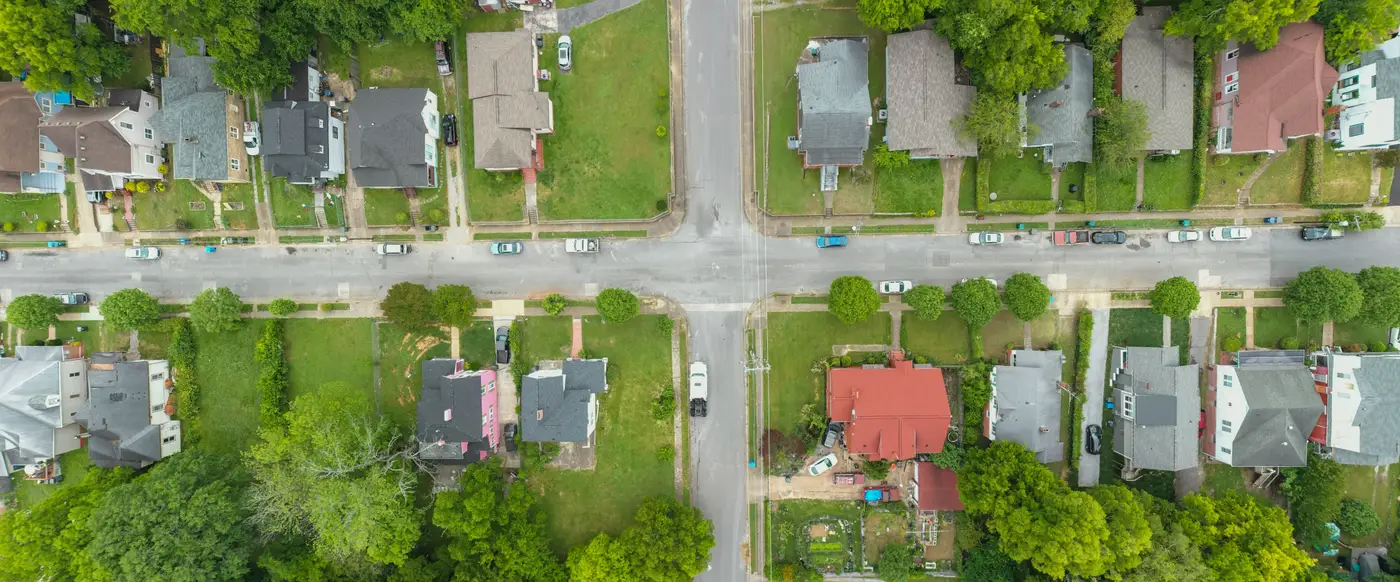
Every renewal cycle starts with the same question buried in the submission review: is this schedule still telling the truth about what's standing? A schedule of values gets built once, usually months before binding, then sits untouched until the next renewal rolls around. In between, cedants build, demolish, convert, and infill. Nobody updates the SOV for any of that unless a broker flags it or an underwriter happens to notice a gap.
Refresh the exposure layer at least once a year, timed to land before the renewal data call goes out. That's the cadence that keeps the built-inventory view current without turning refresh into a full-time job.
Why annual, not quarterly or "as needed"
Quarterly refresh sounds rigorous on paper but rarely earns its keep for property cat exposure. Construction doesn't move in neat three-month increments, and most treaty cycles are annual anyway, so a quarterly cadence just means three of the four refreshes get filed and never looked at again. "As needed" is worse: it depends on someone noticing the submission looks off, and by the time that happens, the limits adequacy conversation has already started on bad numbers.
An annual cadence matches the decision calendar. One refresh, timed a few weeks ahead of the renewal file, gives the exposure team a current count of structures and a sense of footprint growth before anyone has to defend a number in front of a treasurer or a retro broker. It also matches how fast built inventory changes in most territories: meaningful in a given year, but not meaningful week to week.
The exception is anywhere construction is genuinely fast. Coastal condo build-out, wildfire-urban-interface infill in the western US, post-event rebuild zones. In those pockets, a single annual snapshot can still miss a real step-change in TIV if it lands at the wrong point in the build cycle. Flag those territories for closer attention instead of refreshing everything quarterly.
What a refresh means in practice
A lot of teams conflate refreshing the exposure layer with re-running the model. Those are different jobs. Re-running the model is cheap and can happen on demand. Refreshing the underlying built-inventory view, the thing that tells you whether the footprint count in your layer still matches what's on the ground, is the part that gets skipped because it's slow when it depends on cedant-submitted schedules.
This is where relying on self-reported SOVs breaks down structurally, not just occasionally. A schedule reflects whatever the cedant's underwriting file looked like when it was last touched. It doesn't know about the distribution center that went up last spring or the block that got demolished for a parking structure. Satellite-derived footprints don't carry that lag, because they read the ground directly rather than inheriting whatever was last typed into a spreadsheet.
Annual high-resolution imagery, the kind that resolves individual building footprints at roughly 0.5 to 2 meter ground sample distance, gives you a cadence that matches the renewal calendar without pretending to track daily change nobody needs. Run that pass once a year across the territory and you have a current count of structures and rough building footprints to sit next to the schedule, independent of whether the cedant's reporting caught up.
Building the cadence into the renewal workflow
Put the exposure refresh on the renewal timeline as a fixed line item. Set the imagery pass a set number of weeks before the data call deadline, compare the new footprint counts against last year's layer, and flag territories where the structure count moved more than expected. That flag is what justifies a closer look at that one territory.
Exposure Mapping builds that annual footprint-and-count layer from high-resolution satellite imagery, so the comparison is sitting there ready before the renewal file gets assembled instead of being reconstructed from scratch under deadline.
If your renewal exposure review still starts with "let's see what the schedule says," it might be worth seeing what the ground actually shows first.