Sheet / Notes
Blog
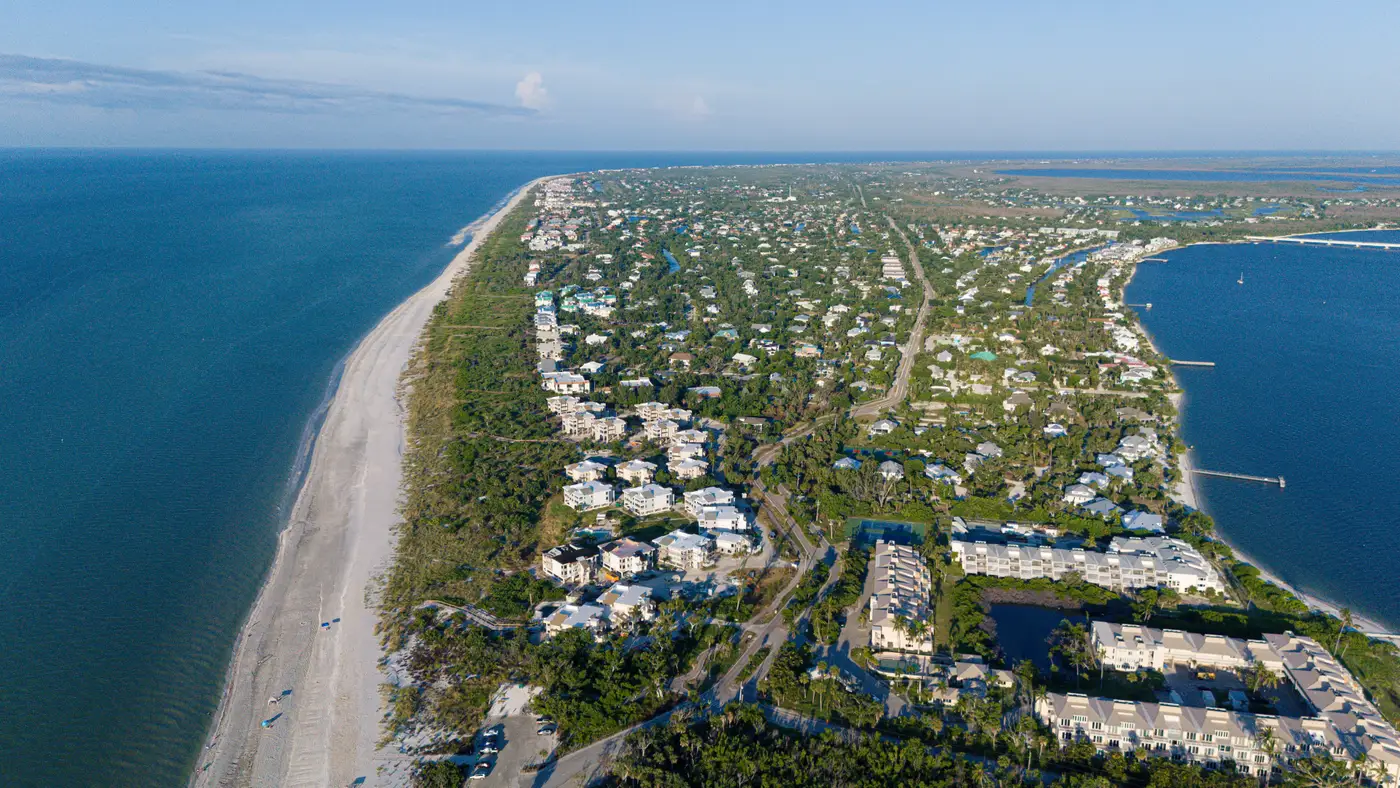 Field notes: the coastline that added a thousand roofs between two renewals
A three-year gap between renewals, a barrier-island stretch, and a schedule that hadn't caught up with what was built.
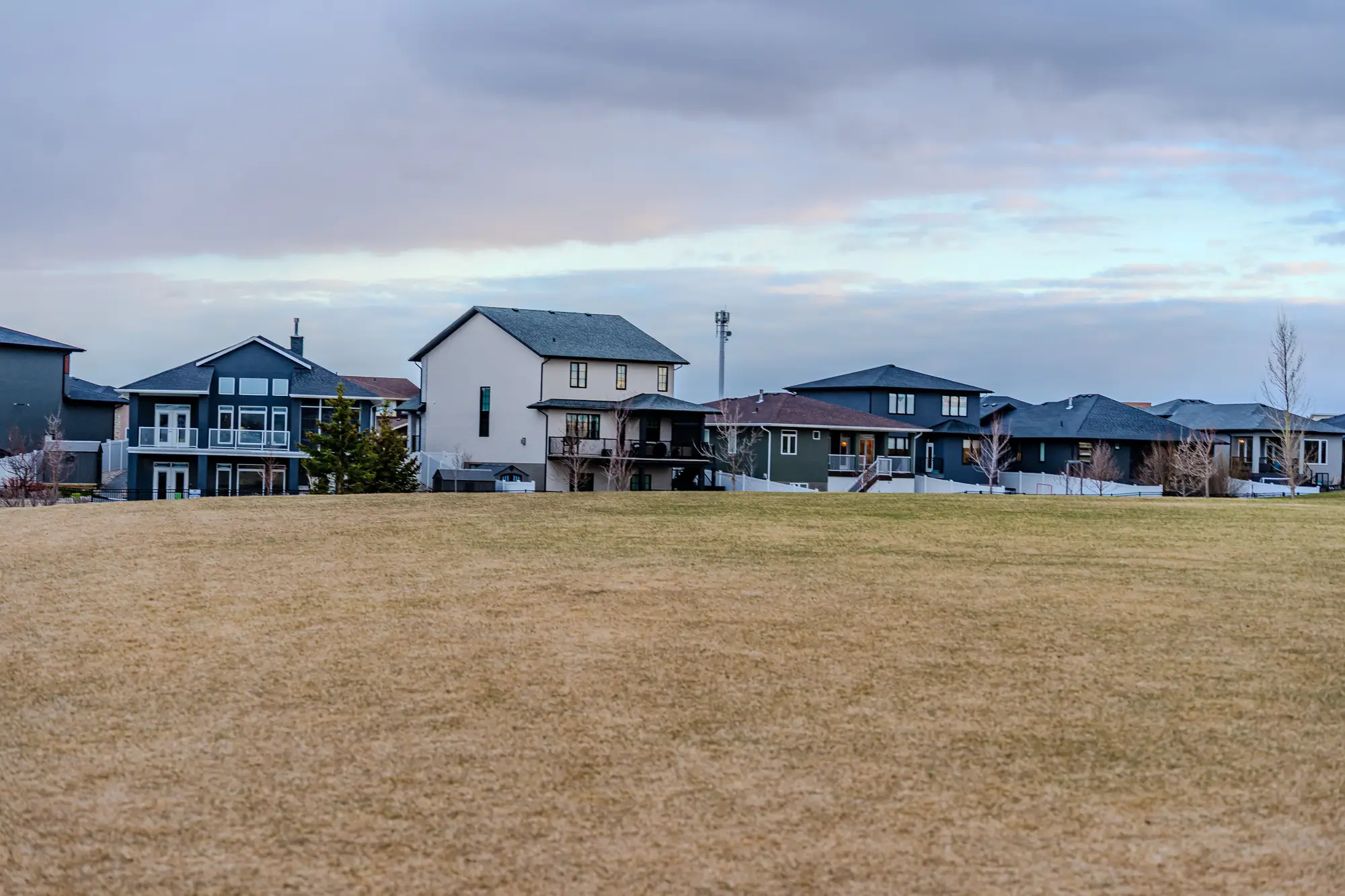 What is exposure data quality grading, and why do cedants get scored A through D?
A plain explanation of cedant exposure data quality grades A through D: what drives the score, and why it matters at treaty renewal.
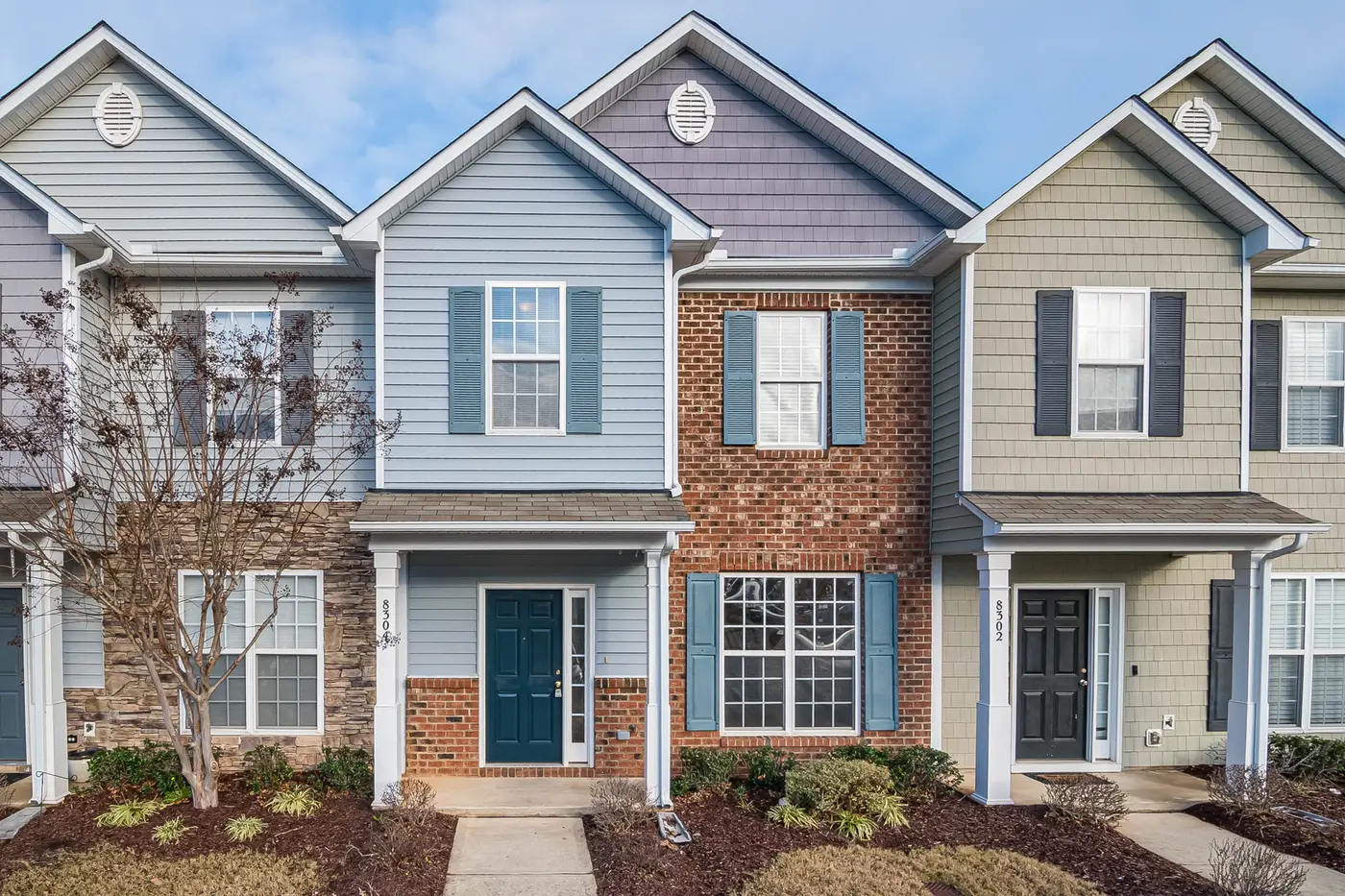 Vintage year vs. year built: what a footprint layer can tell you
A cat modeler's guide to what satellite footprint layers can and can't tell you about construction date, and how that differs from vintage year in the SOV.
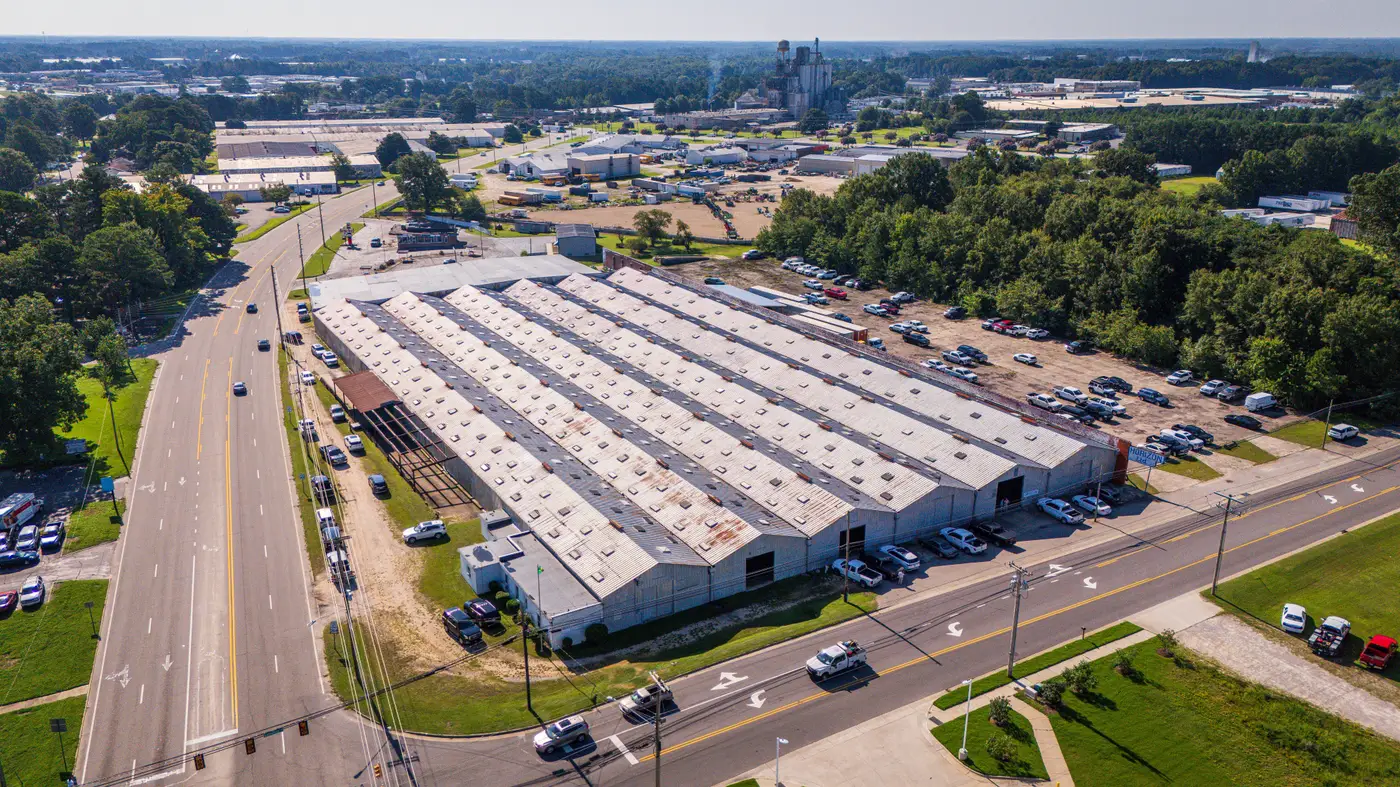 What a TIV roll-up hides at the building level
A TIV roll-up sums insured value to a zone and leaves what's built there invisible to the cat model. Here's where that gap bites at renewal.
 Field notes: the valley that rebuilt before the last claim even closed
A field note on why flood-zone rebuilds outpace schedule updates, and what that means for your next treaty renewal exposure base.
 How often should an exposure layer be refreshed between renewals?
How often to refresh an exposure layer between treaty renewals, and why annual high-res imagery beats waiting on stale SOVs.
- Rebuild vs. renovation: reading structure change for an exposure update
How to tell a full rebuild from a renovation in annual satellite imagery, and what that distinction means for an exposure layer going into treaty renewal.
- What is an aggregation zone, and why structure counts set its edges
How aggregation zones should be drawn around real build density, not postcode lines, and why structure counts set the true edge.
- Field notes: the renewal where the schedule was short a hundred buildings
A cat modeller's field notes on a treaty renewal where the submitted SOV undercounted structures by a hundred against current satellite imagery.
- What is accumulation risk, and why structure density matters at renewal
Accumulation risk is concentration the schedule doesn't show. How structure density shifts PML at treaty renewal and where submission data falls short.
- How to estimate replacement cost from a building footprint and story count
A walkthrough of the footprint-times-stories build-up underwriters and modellers use to back into replacement cost when schedules are thin.
- Construction class in exposure data: what it tells a modeller
What construction class means in cat model exposure data, how it differs from occupancy class, and why stale schedules undercount it at renewal.
- Reconciling structure counts: cedant submission vs satellite imagery
A practical walkthrough for matching a cedant's submitted structure counts against an independent imagery-derived count before renewal.
- What is a footprint-level exposure unit in cat modeling?
A footprint-level exposure unit ties modeled loss to an actual structure on the ground, not a line in a schedule. Here's how that differs from SOV-based TIV.
- Geocode match level, explained for cat modelling
What rooftop, street-level and ZIP-level geocode match levels mean for AAL and PML, and why match level is only half the accuracy picture.
- Filling gaps in a sparse schedule of values before renewal
A practical way to triage blanks in an SOV and decide when default values are fine and when you need better exposure data.
- How to validate a schedule of values before treaty renewal
A working checklist for catching SOV data quality problems before the exposure layer goes into the model for treaty renewal.
- Secondary modifiers in cat model exposure data, explained
What secondary modifiers are in RMS and AIR exposure schedules, why they move loss, and where a stale SOV quietly defaults them away.