How to validate a schedule of values before treaty renewal
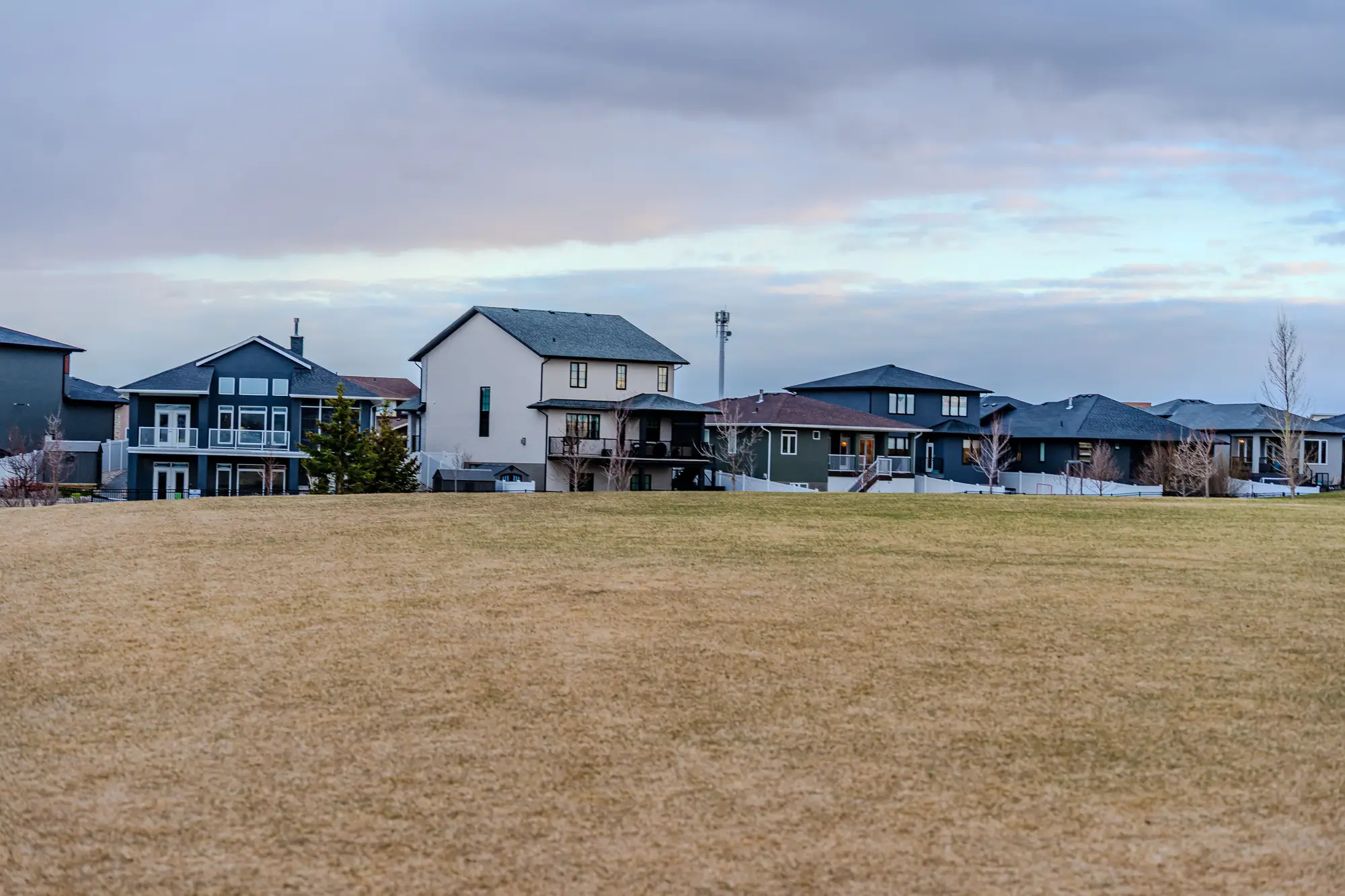
Every renewal cycle starts the same way: a broker submission lands, the SOV gets dropped into the pipeline, and someone on the modelling team has maybe three days to decide whether to trust it. The schedule looks complete. Columns are populated, TIVs sum to something plausible, and nobody flags it before it hits the model. Then six months later a cat happens in a territory where half the buildings on the schedule don't match what's standing on the ground, and the loss run doesn't look anything like the modelled output.
Validating an SOV isn't glamorous work. It decides whether your PML is a real number or a guess dressed up with four decimal places.
Start with the fields that break the model quietly
The obvious checks are the ones everyone already runs: missing lat/longs, blank construction codes, occupancy codes that don't exist in your scheme. Those get caught because the model throws an error or a geocoder refuses the record. The ones that hurt are the fields that validate cleanly but are wrong.
A few worth running every time:
- Year built clustering. If 40% of a schedule shows a construction year of 2005 or 1990 with nothing else nearby, someone defaulted a field rather than reporting it. Real portfolios have messier distributions than that.
- TIV-to-square-footage ratios by occupancy class. A warehouse valued like a hospital, or a hospital valued like a warehouse, usually means a copy-paste error from a prior year's template rather than a genuine valuation.
- Address-to-geocode distance. Check how far the geocoded point sits from the street address centroid. Large offsets usually mean the geocoder punted to a ZIP centroid, which quietly drags your resolution from building-level to five-digit-postcode-level without telling anyone.
- Duplicate TIV across different location IDs. Common after a merger or when a cedent's system split one insured into multiple policy records without re-splitting the values.
None of these prove the schedule is wrong. They tell you where to spend the one hour you have before the submission deadline.
Where schedules go stale between renewals
Data entry errors are the easy part to catch. The bigger risk is that a schedule is a snapshot from whenever it was last updated, usually built off a prior year's file with endorsements layered on top. A cedent's book doesn't stop moving in the gaps between renewals. Buildings get added to a business park, a distribution centre finishes construction, a strip mall gets demolished and rebuilt with a different footprint and a different occupancy entirely. None of that shows up in a schedule that's three renewal cycles deep in inherited values, because nobody re-surveys the portfolio from scratch every year. It gets patched.
Completeness checks run against the spreadsheet alone can't close that gap. You can confirm every field is internally consistent and still be modelling a territory that looked like this two years ago, not now. The fix is a second, independent view of what's actually built on the ground right now, one that doesn't depend on whoever filled out the schedule having kept it current. A current built-inventory layer pulled from annual satellite imagery is meant for exactly this: a cross-check against the self-reported schedule, not a replacement for it.
A short validation sequence that works under deadline
When there's no time for a full audit, run this order: completeness first, internal consistency second (TIV versus occupancy, year built distributions), then a sample cross-check against an independent source for the highest-TIV locations and anywhere the schedule hasn't been touched in more than one renewal cycle. That last group is where stale data hides, because it's exactly the group nobody revisits unless something forces the question.
Part of that last check means confirming whether anything has changed on the site since the schedule was last updated. Exposure Mapping is built for that check: a current view of built inventory across a territory, pulled annually from high-resolution imagery, to run against the schedule before the renewal number gets locked in.