What is a footprint-level exposure unit in cat modeling?
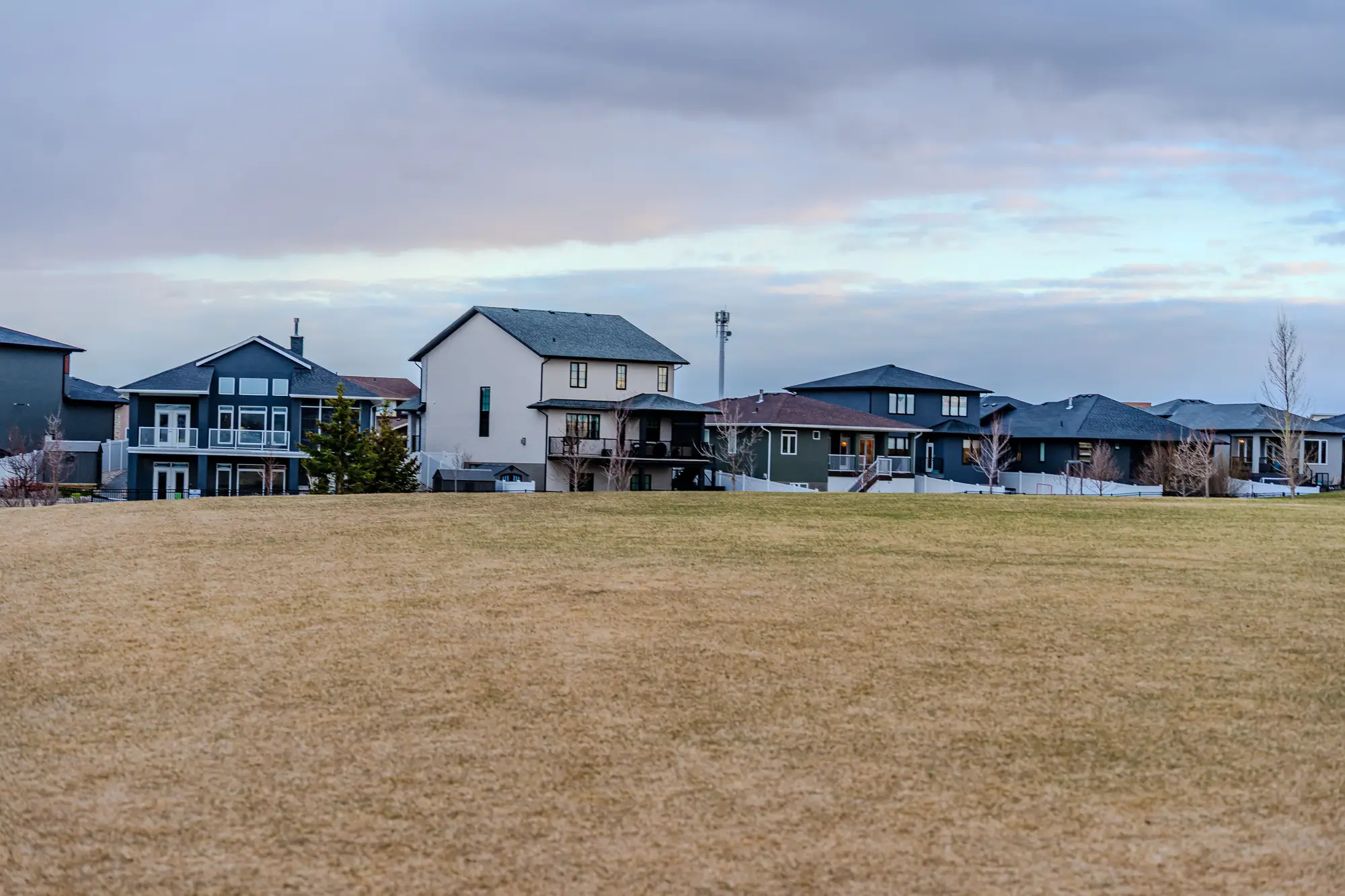
In most submissions, the exposure unit is whatever the cedant's SOV hands you: an address, a location ID, sometimes a lat/long that places a $40M TIV somewhere in a zip code. A footprint-level exposure unit is narrower than that. It's a single built structure, delineated by its actual outline on the ground, carrying its own count, rough form, and position relative to flood zones, fault lines, or coastal setback.
The difference matters most at renewal, when you're trying to answer a simple question the SOV can't: has anything actually changed since last year.
Schedule-level units versus footprint-level units
A schedule-level exposure unit is a reporting artifact. It reflects what a broker or cedant typed into a spreadsheet: sometimes accurate, sometimes three years stale, and often aggregated at a level (one row per policy, not per building) that hides whether a risk is one structure or a cluster of twelve. You end up modeling the paperwork instead of the territory it's supposed to represent.
A footprint-level unit comes from imagery instead of a form. Each structure gets its own outline, so a commercial parcel that shows up as a single SOV row might resolve to four separate buildings with four separate roof forms and four separate exposures to a surge line. That's a different loss distribution than the schedule implies, and it surfaces before bind, when you can still do something about it.
It gives you an independent check against the SOV.
Why this matters for a treaty renewal
Treaty exposure gets built once a year, under deadline, from whatever schedules the cedant's book happens to produce that cycle. New construction since the last renewal rarely makes it into the SOV cleanly. Rebuilds after a prior event often change footprint and form (a single-story frame structure comes back as a two-story with a different roof pitch) without the policy record reflecting it. Secondary structures, additions, and informal development almost never show up in self-reported data at all.
None of that is a knock on the cedant's reporting. It's just the nature of a schedule: it's a snapshot of what was written down, not a survey of what's standing.
A current, imagery-derived footprint layer gives you an independent read on built density and form across the treaty territory, refreshed on an annual cadence rather than whenever someone remembers to update the SOV. You're not guessing whether a coastal segment has densified since the last model run. You can see it.
What footprint-based TIV gives you
Footprint-based TIV doesn't hand you a replacement value out of thin air. It gives you a structure count and rough form, which you use to sanity-check or disaggregate the TIV you already have, rather than inventing a number the imagery was never meant to produce. If the SOV says one risk at a location and the footprint layer shows three distinct structures there, that's a flag worth running down before the renewal is priced, not after.
This is also where footprint-level units earn their keep on blind or thinly-reported treaty segments, where the cedant's schedule is sparse or aggregated to a level too coarse to model well. A structure-level view of what's built fills that gap with something closer to ground truth than a policy count.
The practical limits
Annual imagery means the layer reflects what was standing at time of capture, not the day you run the renewal. Form is rough: roof shape and footprint area, not a verified construction class or year built. RGB imagery won't tell you what's inside a building. None of that makes it less useful for the question it's built to answer, which is simply what's standing, at what density, across a territory your current schedule may not be keeping up with.
Exposure Mapping builds that current, structure-level view directly from annual high-resolution satellite imagery, so you're loading an independent read of what's built into your cat model instead of stitching one together from whatever schedules happened to come in this cycle.
If your renewal exposure needs a current built-inventory layer under the SOV, that's the problem this is built to solve.