What a TIV roll-up hides at the building level
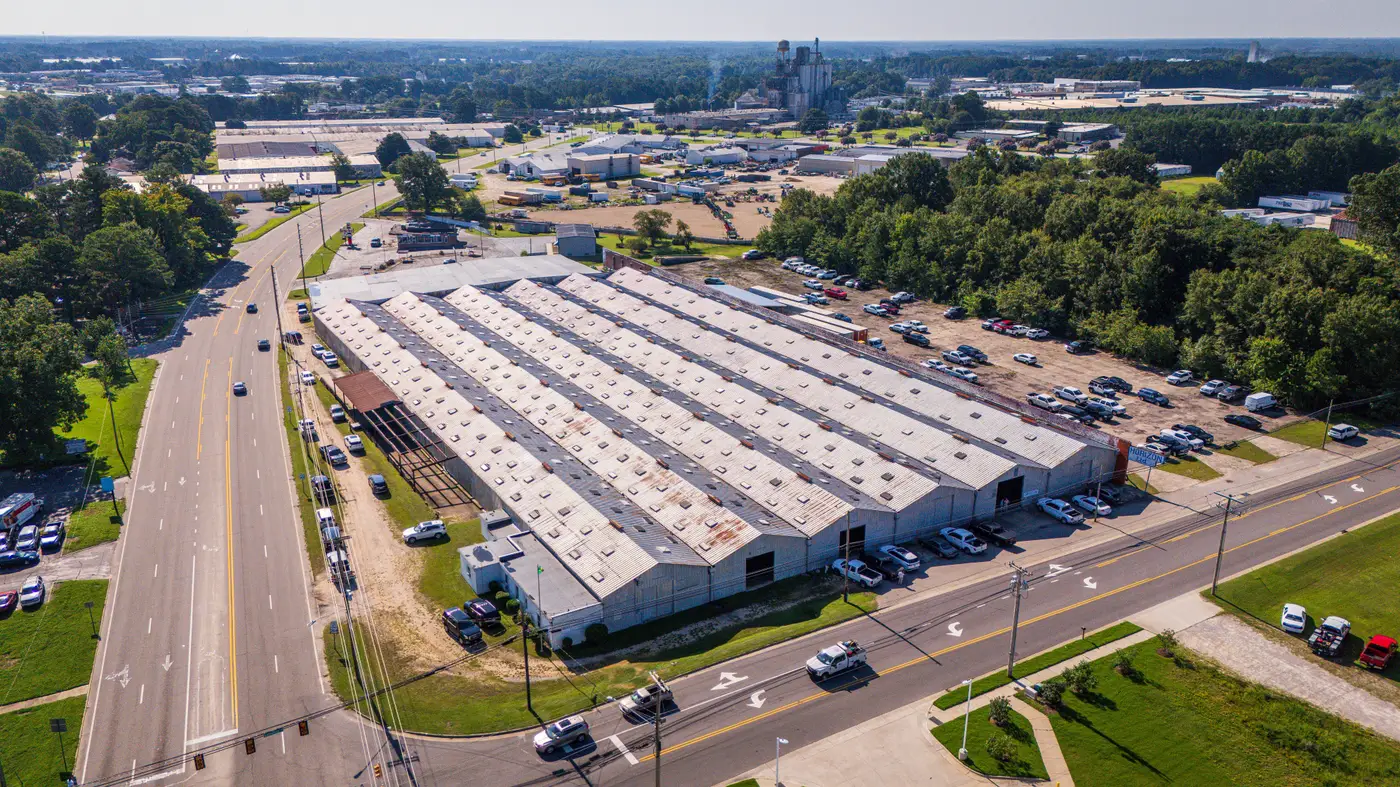
A TIV roll-up is the number that ends up on the slip: total insured value summed to a location, a CRESTA zone, sometimes the whole treaty. It's the figure underwriters quote and the figure a reinsurer's actuarial team sanity-checks against prior years. It's also, by design, a number that erases everything about what's actually sitting inside that zone.
A $400M roll-up for a county could be ten mid-size warehouses spread across three industrial parks. It could just as easily be one refinery complex and a handful of outbuildings. Both produce the same line in the schedule. They do not produce the same loss curve, the same correlation structure, or the same answer when a model asks how much of that value sits inside a flood zone versus how much sits two ridgelines away from it.
Where the number comes from, and why it drifts
Most roll-ups trace back to a statement of values a cedant's underwriting team compiled, sometimes years ago, and rolled forward with light edits each renewal. Replacement costs get trended up by an index factor. Occupancy and construction codes carry over unchanged. Nobody goes back and asks whether the building is still standing, whether it got a new wing after a prior loss, or whether three parcels that used to hold a single low-rise now hold a distribution center.
Submitted schedules are self-reported at the point they're compiled, then left alone until the next renewal forces someone to touch them again. In between, markets build, rebuild, and consolidate. The roll-up doesn't know any of that happened. It just keeps summing the same figures forward.
Building-level exposure vs portfolio TIV
Portfolio TIV is an aggregate by construction. Building-level exposure is the count and footprint of what's on the ground: how many structures, roughly what form, how they cluster. The gap between the two is where correlated risk hides. A wind or wildfire model applies damage functions by construction class and occupancy, then sums expected loss across everything in a zone. If the roll-up has blended three genuinely different structures into one generic "commercial" bucket, the damage function picks the wrong severity for at least two of them, and the modeled loss distribution comes out flatter, or more skewed, than the real one.
This is the gap that matters most at renewal, because attachment points and layer pricing get set off exactly this kind of aggregate. A treaty priced against a roll-up that understates built density in a growing territory is priced against a portfolio that no longer exists. That gap becomes a structural blind spot in the PML right at the layer boundary.
Checking the roll-up against what's on the ground
A few questions are worth running before you sign off on exposure input for a renewal:
- Does the submitted location count match what you'd expect to see on the ground, or has the territory visibly densified since the last SOV update?
- Is there recent construction, expansion, or rebuild activity in the territory that wouldn't have made it into a schedule compiled on last year's cycle?
- Are structures being blended into one generic commercial or industrial code when the footprints on the ground suggest otherwise?
None of those questions get answered by the roll-up itself. They get answered by looking at what's built, which is the gap a current, independent read on built inventory is meant to close, using annual high-resolution imagery to pull structure footprints, counts, and rough form across a treaty or territory rather than relying on a schedule that only updates when someone remembers to touch it.
The practical takeaway
A TIV roll-up is a useful number for quoting a slip. It's a poor substitute for knowing what's built where, and the difference between the two shows up exactly where it hurts: in the correlated tail of a cat model's loss curve, at the attachment point where treaty pricing gets set. If you're checking a submission against reality before this renewal, that's worth a look.