Construction class in exposure data: what it tells a modeller
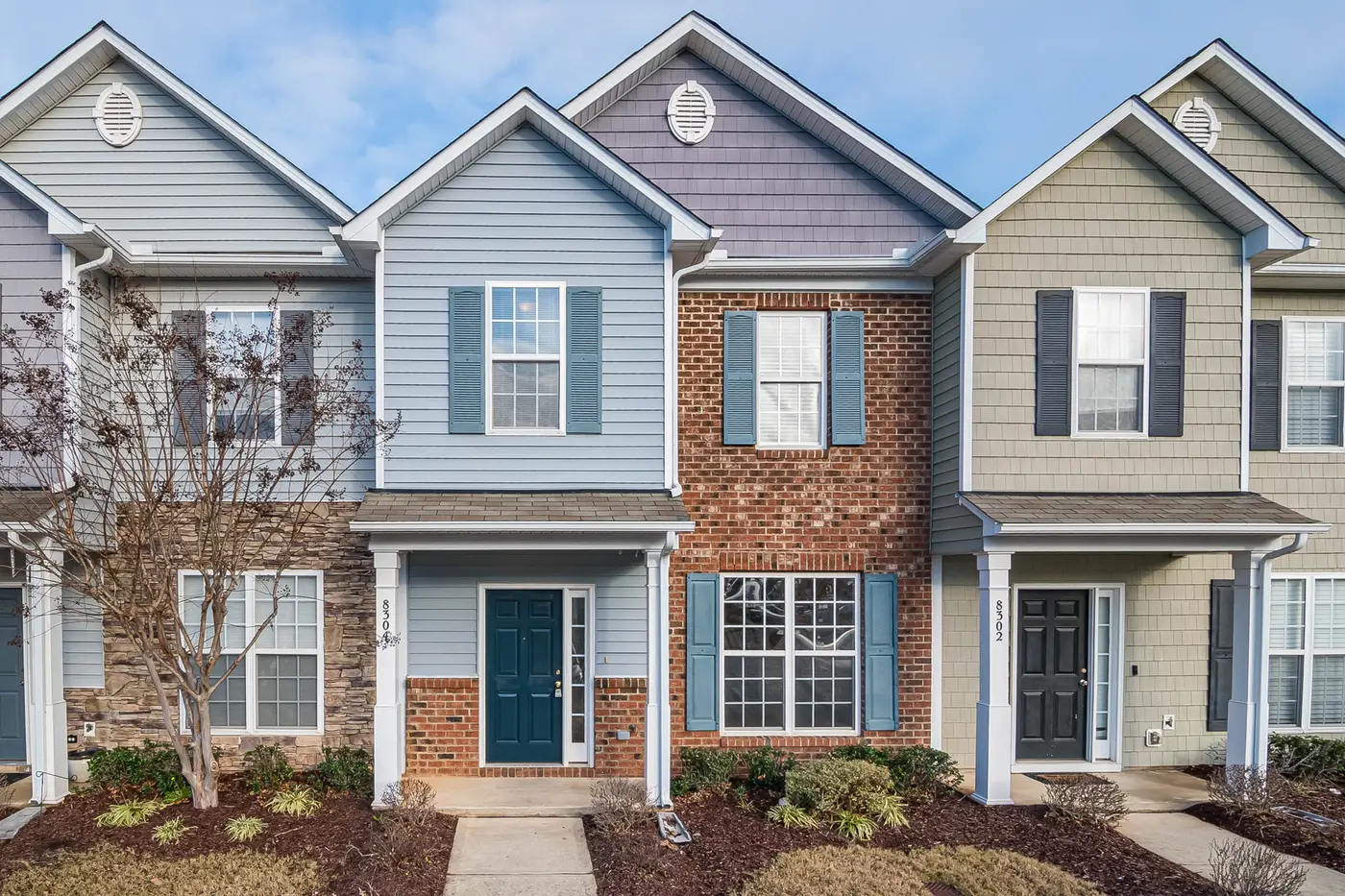
Construction class is the field that tells the model what a building is made of. Wood frame, masonry, reinforced concrete, steel, light metal, unreinforced masonry: each one has its own vulnerability curve, and the curve is what turns a wind speed or a ground motion into a loss ratio. Get the construction class wrong on a location and you're not off by a little. You're running the wrong damage function entirely.
Every major vendor model (AIR, RMS, Verisk) ships its own construction class taxonomy, and they don't map one-to-one. A "Masonry Dwelling" in one schema might sit across two or three classes in another depending on wall material and load path. Part of a modeller's job at renewal is reconciling whatever code sat in the cedant's submission against the target model's class list, and that reconciliation is only as good as the code that came in. A lot of submissions carry a generic default, usually whatever the broker's system assigns when nobody on the ceding side confirmed it.
Construction class versus occupancy class
These two fields get mixed up constantly, including by people who should know better. Occupancy class describes what a building is used for: residential, commercial, industrial, warehouse, habitational. Construction class describes what it's built from. A commercial occupancy can be steel frame or it can be wood frame above a concrete podium. A residential occupancy can be anything from a balloon-frame single-family house to a precast concrete mid-rise.
The two fields interact in the model but they answer different questions. Occupancy tells the model something about contents value, business interruption exposure, and typical building height. Construction tells it how the structure responds to the peril. A treaty with heavy commercial occupancy but thin construction detail is a treaty where the model is guessing at the one field that drives the physical damage curve.
Secondary characteristics: the modifiers that move the curve again
Construction class is the headline, but secondary characteristics do a lot of the fine-tuning: year built (which proxies for code era), number of stories, roof shape and covering, roof-to-wall connection, basement presence, cladding type. A wood frame house built in 1975 and one built in 2015 can carry meaningfully different vulnerability even inside the same construction class, because the code the second one was built to assumes a different wind load.
This is where exposure data quality usually falls apart first. Primary construction class might be populated reasonably well across a schedule of values. Secondary characteristics are often blank, defaulted, or carried forward from a submission three renewals old, back when the lot was a single-story frame structure instead of the four-story wood-over-podium building standing there now.
Where the field actually breaks on a renewal
None of this is theoretical at treaty time. A schedule of values is a point-in-time self-report, and most portfolios turn over faster than the reporting cycle. A market with active redevelopment can replace a block of single-family wood frame with mid-rise light-frame or concrete podium construction inside a single underwriting year, and the SOV won't reflect it until someone resubmits, which might be next renewal, or the one after.
That gap is exactly the input problem Exposure Mapping is built around: a current built-inventory layer pulled from annual high-resolution satellite imagery, giving you footprints, counts, and rough form for what's actually standing in a territory right now rather than what a schedule said a year or two ago. It won't hand you a construction class code on its own. What it does is give you a current, independent check against the schedule, so you can see where a block has clearly rebuilt, densified, or changed form since the last submission, and flag those locations before they ride into the model on stale construction and occupancy assumptions.
If your renewal book has markets where you suspect the SOV is behind the ground truth, that's worth a look before the data goes into the model.